

Civil Wedding Abroad
Planning a civil wedding abroad? Whether you’re drawn to a romantic European setting or a tropical beach, we walk you through the legalities, venues, benefits and practical tips for planning your perfect day overseas.
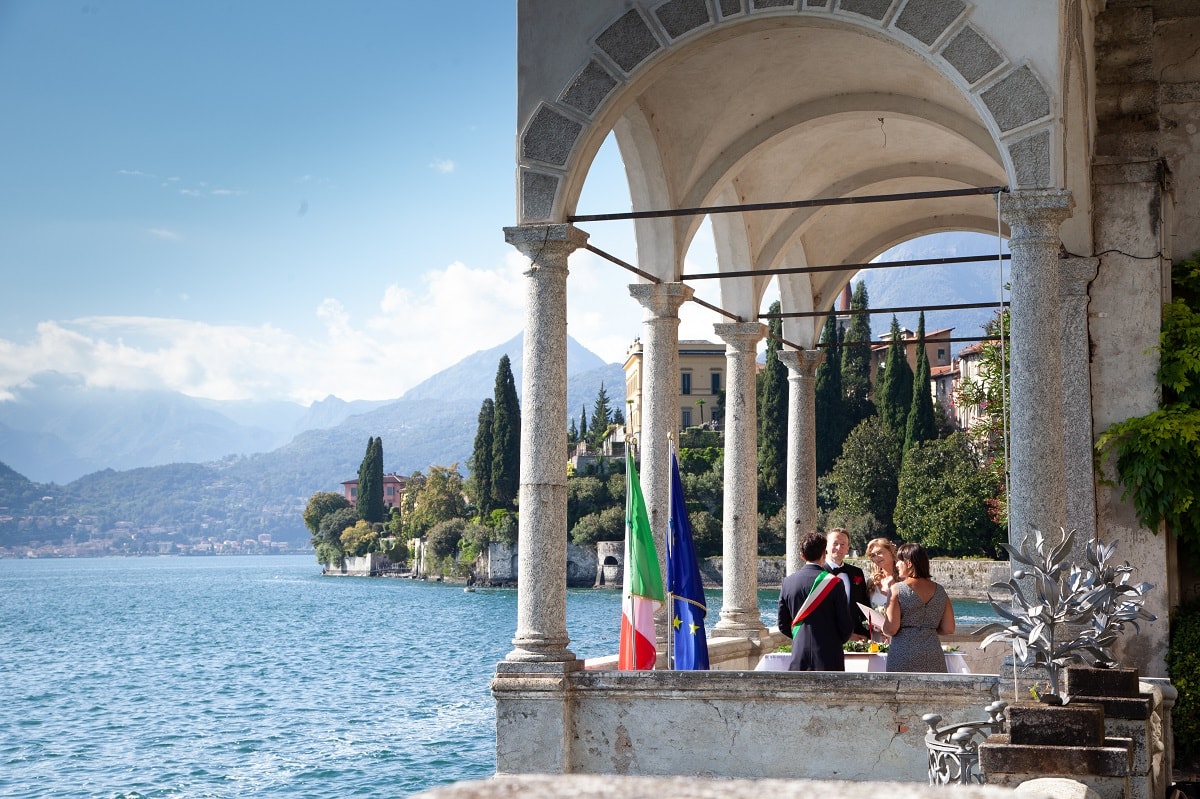
M & S’s Luxury Lake Como Elopement
What Is a Civil Wedding Abroad?
A civil wedding is a legally binding, non-religious ceremony typically performed by a registrar or local official. It’s the most common type of ceremony for couples marrying abroad, especially when the goal is to have their marriage legally recognised both in the host country and back home.
Civil vs. Symbolic Ceremonies
Understanding the difference between a civil and symbolic wedding is essential when planning a wedding overseas:
- A civil ceremony is legally binding and recognised in most countries.
- A symbolic ceremony is not legally recognised but allows complete freedom in format, style, and location.
Many couples choose to have both: completing the legal paperwork either at home or at a registry office abroad, then holding a symbolic or religious ceremony in a more personalised setting.
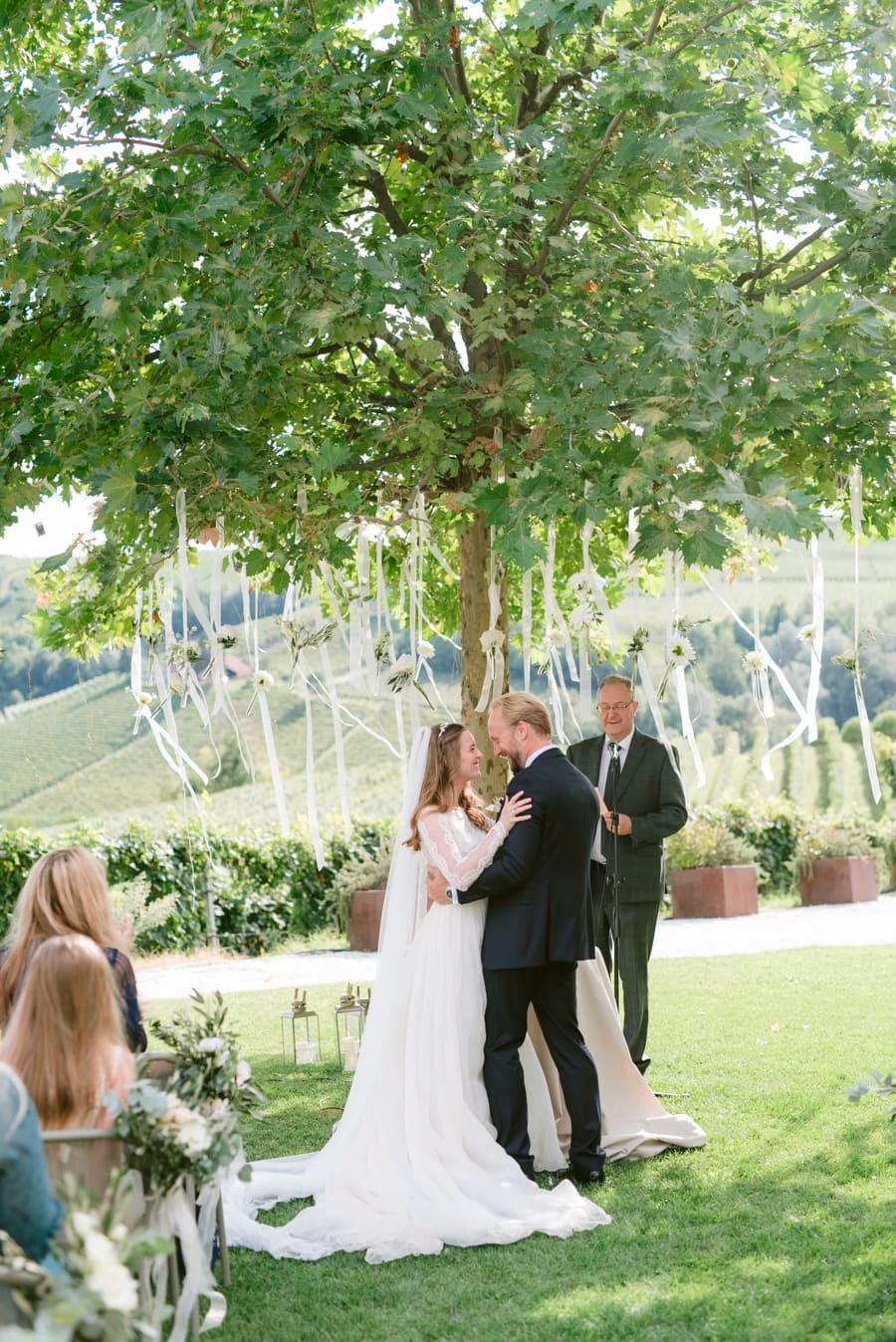
Elise & Anders – Wedding in Piedmont
Where Can You Have a Civil Wedding Abroad?
Europe
In much of Europe, civil weddings must take place in approved locations, such as:
- Town halls
- Courthouses
- Licensed venues
While these ceremonies follow a set legal structure, many allow some personalisation, like adding music or readings. Despite the formality, Europe offers some of the world’s most beautiful backdrops for civil weddings, including historic palaces, coastal views, and charming old-world architecture.
Beyond Europe
In places like Australia, the United States, or parts of the Caribbean, civil ceremonies are much more flexible. You can often marry outdoors, on a beach, in a garden, or aboard a yacht, as long as a registered celebrant officiates and legal requirements are met.
Pros & Cons of a Civil Wedding Abroad
Advantages
- Legally recognised marriage certificate.
- Inclusive for all couples, regardless of religion.
- Often simpler and more straightforward to organise than religious ceremonies.
- Some personalisation allowed (e.g., vows, readings, music).
- Can be held in beautiful historic or scenic settings.
Potential Drawbacks
- Ceremony locations may be restricted by local laws.
- Legal framework for the ceremony may be rigid.
- Paperwork can be time-consuming
- Official translations and legalisation of documents may be required.
- Costs may include translation, registrar, and licensing fees.

Lauren & Mark’s – Civil Ceremony in Greece
Legal Requirements & Documentation
Each country has its own marriage laws, but common legal requirements often include:
- Valid passports
- Birth certificates
- Certificate of No Impediment to Marriage (CNI)
- Divorce or death certificates (if previously married)
- Official translations or apostilles (if applicable)
- Minimum residency period in some countries
Tip: Legal paperwork can take longer than expected. Start early and double-check timelines to avoid delays.
Turn your dream wedding into a legal reality
Learn the key steps and documents you need to marry abroad without surprises.
Can You Personalise a Civil Ceremony?
Yes, but within legal limits. While the core structure is set by law, many countries allow couples to include:
- Write and read their own vows
- Choose special readings or poetry
- Include live or recorded music
Always check with your officiant or local registrar to understand what’s permitted.
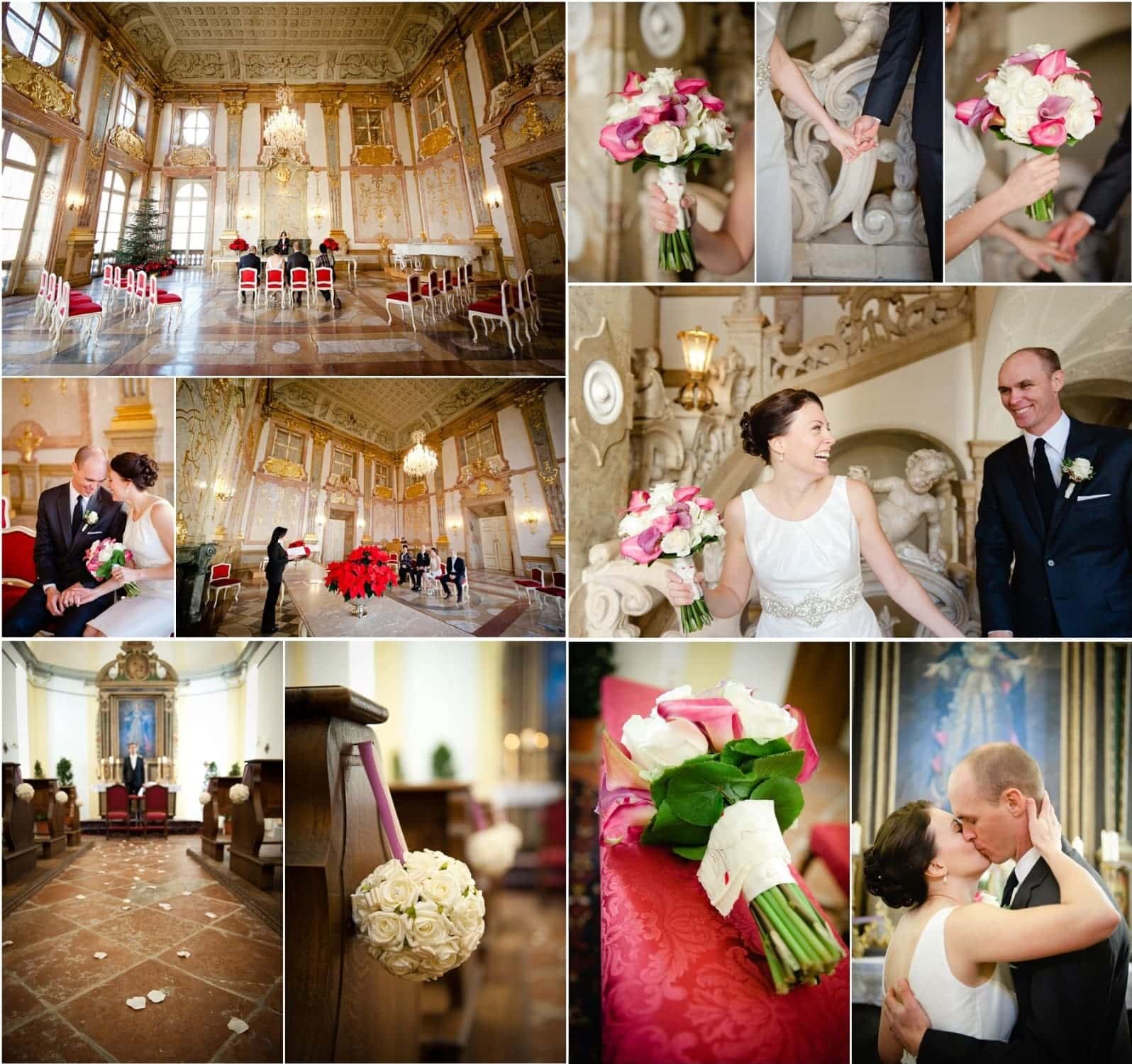
Erin & Brett’s- Civil & Religious Wedding in Salzburg
Civil Wedding Venue Options Abroad
Approved Venues
Many countries have stunning options for civil ceremonies:
- Historic town halls
- Seaside terraces
- Courthouses
- Palace gardens
- Licensed villas or hotels
Ceremony & Reception in One Place
Combining your ceremony and reception in one venue (i.e. licensed villa or hotel) can simplify logistics and reduce costs, particularly in remote or rural areas.
Budget Considerations
When planning your destination wedding, it’s important to factor in the specific costs involved in having a legally recognised ceremony abroad. These can vary depending on the country, but commonly include:
- Local marriage license or registration fees
- Translation and legalisation of documents
- Officiant or celebrant fees
- Venue rental and setup costs
- Witnesses or translator services (if required)
Being aware of these expenses from the outset will help you create a realistic budget and avoid last-minute surprises.

C & J’s – Wedding in Dubrovnik
Religious & Civil Wedding Abroad
Can a religious wedding ceremony abroad be legally recognised without a separate civil ceremony?
In some countries, yes—if the religious institution is authorised to perform legal marriages and the ceremony is registered with the local civil authority.
When these steps are properly followed, a separate civil ceremony may not be required.
What do couples need to do?
To ensure your religious ceremony is legally valid:
- Confirm that the religious officiant is authorised by local authorities
- Register the ceremony with the local registry office
- Prepare the required civil and additional religious documentation in advance
In other destinations, a civil ceremony must still be performed to make your marriage legal, regardless of any religious service.
Symbolic Weddings & Civil Ceremonies
What is a symbolic wedding?
A symbolic wedding is a non-legal ceremony that allows couples to celebrate their commitment in a personal and meaningful way, without any legal formalities or paperwork.
Can I have a symbolic ceremony alongside a legal civil wedding?
Yes. Many couples choose to have a civil wedding for legal purposes and a symbolic ceremony to personalise their celebration, often at a location or with elements that reflect their style.
Where can I have a symbolic wedding abroad?
Symbolic weddings can be held almost anywhere—from beaches and gardens to historic venues—offering complete freedom in terms of location and ceremony style.
👉 Explore: Symbolic Wedding Ceremonies
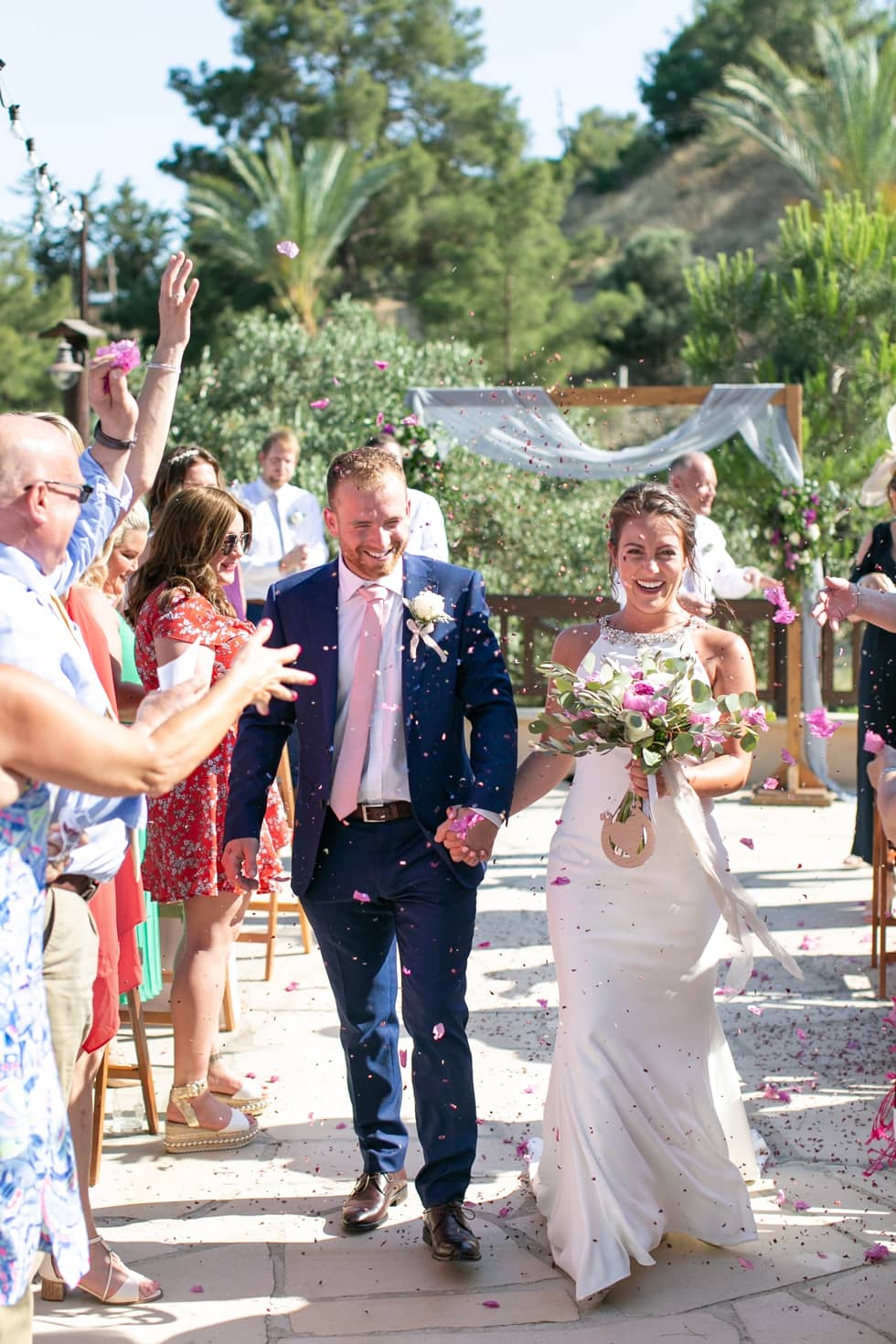
Eli & Niall’s – Wedding in Cyprus
Plan Your Civil Wedding Abroad With Confidence
A civil wedding abroad is a legally recognised way to marry without religious or symbolic requirements. With the right preparation, the process can be straightforward.
While the legal steps to marry overseas are often similar, each country has its own rules, documents and deadlines. Understanding the overall legal process early on is essential, as missing even one requirement can delay or invalidate your ceremony.
Many couples use a local wedding planner or legal expert to handle the paperwork. Some professionals offer document assistance as a standalone service, so you can get help without booking full planning.
Legally Wed Essential Guide
Get complete clarity on how to get legally married abroad with the Legally Wed Essential Guide. It includes everything you need to ensure your wedding is fully legal and recognised at home.
- Step-by-step legal process overview
- Required documents explained including authentication and translations
- Ceremony types and legal options
- Printable document tracker and checklist
- Popular destination comparison guide
- Marriage certificate and recognition guidance
- Name change checklist
- Bonus video walkthrough
- Free email consultation

FAQ's About Civil Weddings Abroad
Is a civil wedding abroad legally recognised back home?
Usually yes, but only if the marriage meets the legal requirements of the host country and the rules of your home country. Some countries require extra steps such as registering the marriage at home or obtaining an apostille.
Can I personalise my civil ceremony?
In most countries, yes, within limits. You can usually add personal vows, readings, or music.
Do I need to get married in a town hall?
Not always. Some destinations allow civil ceremonies at private venues, beaches, or gardens, especially outside Europe.
How far in advance should I start the paperwork?
It depends on the country, but generally 3–6 months ahead of your wedding date is ideal.
Can I also have a religious or symbolic ceremony?
Many couples choose to complete the civil ceremony at the local town hall or official venue, followed by a more personalised religious or symbolic service at a location of their choice.
Do we need to be residents of the country to marry there?
Most countries do not require residency, but some do. Always check the specific rules for your destination.
What documents are usually required for a civil wedding abroad?
Common documents include passports, birth certificates, proof of marital status (single/divorce/death certificate), and sometimes a certificate of no impediment.
Do we need an apostille or translation?
Many countries require translated documents and an apostille or legalisation. Requirements vary by destination.
Getting married Abroad- Planning Essentials
Will my marriage be legally recognised?
An overview of residency requirements, required documentation, marriage ceremonies, registering your marriage at home and more.

Required Wedding Documentation for Getting Married Abroad
The legal documents required for getting married abroad, how to obtain them and timelines to be aware of.
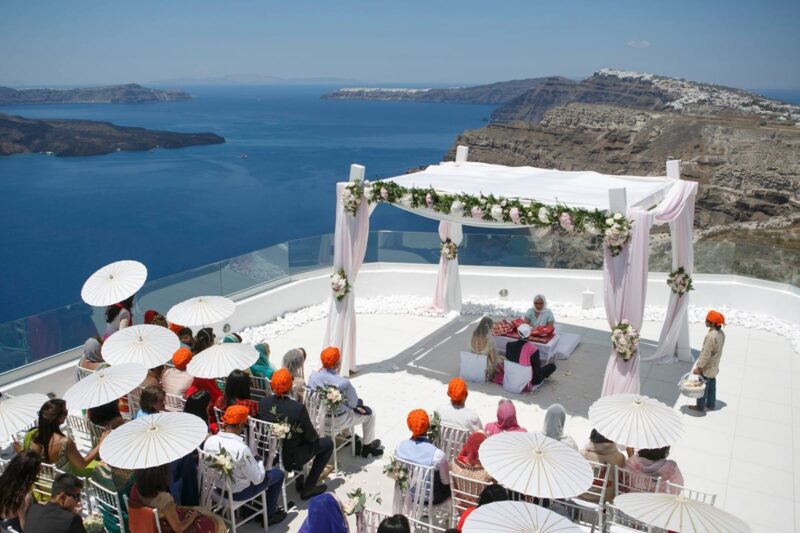
Symbolic Wedding Blessing Abroad
Having a wedding blessing allows you to get married in the country of your choice even if you are unable to fulfil their legal and residency requirements.